
Concert Culture (콘서트 문화): Essential Terms & How to Enjoy a Show
Everything you need to know before you walk into the venue — the vocabulary, the rituals, and the unwritten rules.
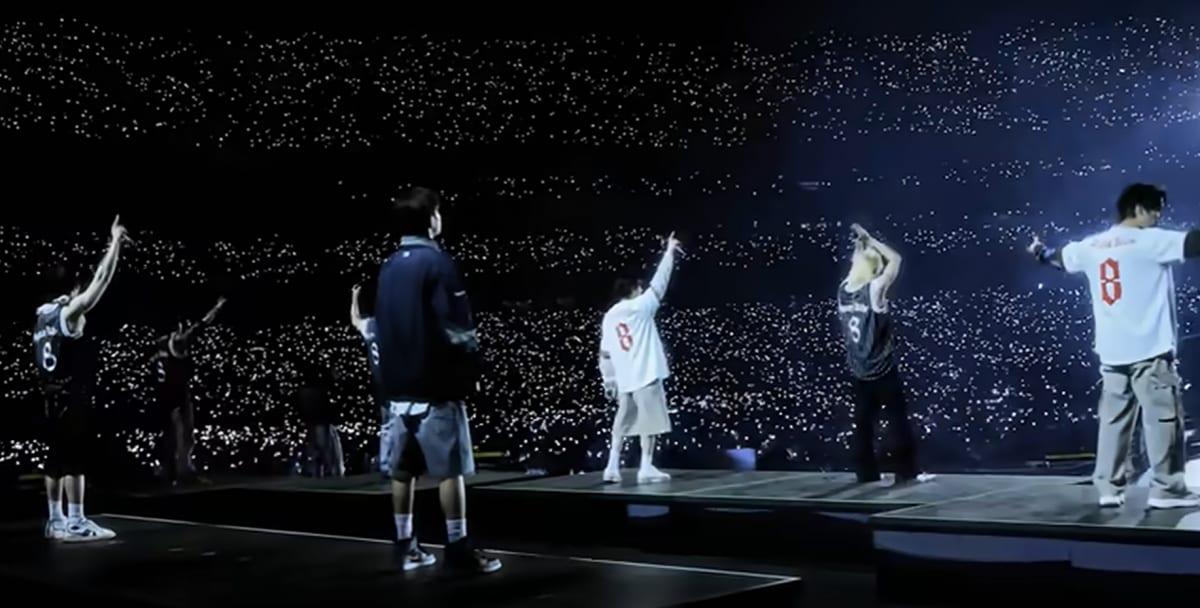
A K-Pop concert is not a passive experience. The audience isn't there to watch — it's there to participate. From the moment you walk in with your lightstick to the fan chants that punctuate every song, K-Pop concerts operate on a shared vocabulary that the audience already knows. If you're attending for the first time, knowing that vocabulary in advance means the difference between watching from the outside and being fully inside the experience.
Before the Concert
Getting Tickets
K-Pop concert ticketing is famously competitive. For major acts, demand vastly exceeds supply — and the process involves specific platforms that non-Korean fans sometimes find unfamiliar.
Korea: Interpark (인터파크), Melon Ticket, and YES24 are the primary Korean ticketing platforms. Fan club presales are common — official fandom members get early access before general sales. Being enrolled in the official fan club before the sale window opens is often necessary to have a realistic chance.
International: Ticketmaster handles most North American and European dates. For US arena and stadium shows, demand for major groups (BTS, BLACKPINK) has been extraordinary — resale prices multiples above face value are standard.
Tip — Fan club membership: Many K-Pop groups have paid official fan clubs (멤버십, membership) that provide presale access, priority queuing, and exclusive content. For high-demand artists, fan club membership isn't optional if you want a realistic chance at tickets.
What to Bring
Lightstick (응원봉, eungwonbong) — the official lightstick for your group is essential. Official lightsticks often sync via Bluetooth to create coordinated light effects across the whole venue during specific songs. Each group's lightstick has its own shape, color, and name. Unofficial LED sticks are generally fine at smaller events; at major concerts, the official stick is standard.
Fan merchandise — many fans wear group merchandise: official t-shirts, hoodies, hats. At major events, vendors (both official and unofficial) set up outside venues hours before doors open.
Slogan (슬로건) — a printed banner or sign that fans hold up during specific moments. Official slogans are sometimes distributed at concerts; fans also make their own.
Practical items — portable battery for your phone, comfortable shoes (you will stand for the entire show), and earplugs if you're sensitive to volume (K-Pop concerts are loud).
The Vocabulary
Fanchant (팬 응원법, fan eung-won-beop)
This is the most important thing to learn before a concert. Fan chants are specific responses the audience shouts at designated moments within each song — usually during the introduction, between lines, or in breaks in the melody. They typically involve calling out each member's name in a specific order.
Fan chant guides (응원법, eung-won-beop) are published by fan communities for every song. Searching "[song name] 응원법" or "[song name] fan chant" will find the guide. Learning the fan chant for 5–10 key songs before your concert is considered standard preparation.
Tip — Why fan chants exist: Fan chants are one of K-Pop's most distinctive audience participation rituals. When an entire stadium simultaneously shouts the same responses at the same moments, the effect is overwhelming — for the audience and visibly for the performers. It's one of the things that makes attending a K-Pop concert a different experience from most live music.
떼창 (Ttechang) — Mass Singing Together
Literally "crowd singing." During certain songs — particularly fan favorites and emotional ballads — the entire audience sings along at full volume. Artists often step back from the microphone during these moments to let the audience carry the song. Knowing the lyrics (even imperfectly) for your favorite songs enhances this significantly.
멘트 (Menteu) — Between-Song Talk
The spoken sections where artists address the audience between songs. At Korean shows, these are in Korean; at international shows, members typically speak in their native languages or English. These moments are often where artists are most candid and where memorable fan interactions happen.
앙코르 (Encore) — Encore
Standard at K-Pop concerts: after the main set ends, artists leave the stage and the audience chants for the encore. The chant varies by group — often the group's name repeated rhythmically, or a specific cheer the fandom uses. The encore is planned; the wait is part of the ritual.
통성명 (Tong-seonmyeong) — Roll Call
Many K-Pop artists do a roll call at some point in the concert — calling out a prompt that the audience responds to with the group's fandom name or a cheer. "오늘 여기 ___있어요?" ("Is ___ here tonight?") followed by the fandom responding in unison.
During the Concert
Lightstick Protocol
At major concerts with Bluetooth-enabled lightsticks, the lightstick app (usually downloaded on your phone and synced before the show) controls color and pattern. Specific songs are programmed with specific colors — the audience visually transforms during these moments. Follow the in-app instructions for connecting before the concert begins.
Even without Bluetooth syncing, the basic protocol: wave your lightstick to the beat during upbeat songs, hold it steady during ballads, and raise it high during fan chant moments.
Camera Culture
Filming concerts is technically prohibited at most K-Pop events, but the enforcement reality varies. Short clips for personal use are widely understood; extended filming of full performances is actively discouraged. Fan communities often organize "no fancam" policies for specific moments — particularly emotional ones — as a sign of respect.
The rule of thumb: be present first, film occasionally if you must, and don't hold your phone up in a way that blocks the view of the person behind you.
The Fan Wall (팬 월, fan wall)
At some concerts, fan communities organize a fan project (팬 프로젝트) — coordinating the audience to hold up colored cards or light specific colors at a designated moment, creating a visual tribute visible from the stage. These are announced in advance through fan community channels; look for instructions if you want to participate.
After the Concert
Sharing Fancams
팬캠 (fancam) — footage filmed by fans, typically focused on a single member, from the audience. K-Pop fancams have become their own genre: fan-shot videos, often handheld and zoomed, that capture member-specific moments from concerts and TV performances. Fancams circulate through fan Twitter/X, YouTube, and fan cafes immediately after events.
Fan Goods Exchange
Outside major venues, fans set up informal tables where they trade or give away custom merchandise — photocard sets, printed photos, stickers. This culture of fan-made goods (굿즈, goods) is distinct from official merchandise and represents the creative production side of K-Pop fandom.
Fan Accounts
Fans who attend concerts often document and share their experience through fan accounts on social media — photos, observations, set lists, memorable menteu quotes. This documentation becomes part of the broader fandom record of a tour.
Concert Format: What to Expect
Section | What happens |
|---|---|
Pre-show | Venue fill; ambient music; fan projects set up |
Opening | High-energy performance, often with the group appearing dramatically |
Main set | 20–30 songs over 2–3 hours; mix of upbeat performance tracks and slower fan favorites |
Menteu breaks | Between-song address to the audience; often emotional |
Encore wait | Artists leave stage; audience chants |
Encore | 3–5 additional songs; often more casual and intimate |
Closing | Final greetings; often the most emotional part of the show |
Comments
Inappropriate comments may be deleted.
Log in to leave a comment.
No comments yet. Be the first!