
NCT (엔씨티): SM's Infinite Expansion Experiment
The group that threw out the rulebook — unlimited members, multiple units, and a concept built to grow forever.
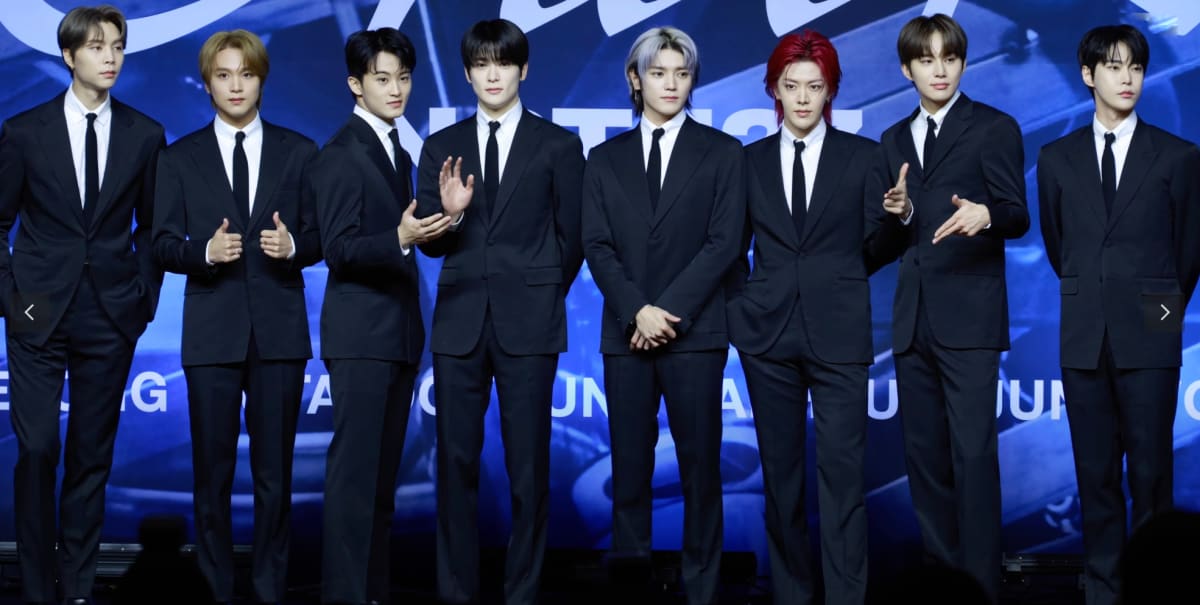
Every K-Pop group has a defined roster. You know how many members there are; you know who they are. NCT broke that assumption on purpose. When SM Entertainment launched NCT in 2016, they announced something different: a group with no fixed member count, organized into multiple sub-units, designed to expand indefinitely. Neo Culture Technology — the name itself was a statement of intent. This wasn't a group. It was a system.
The Concept
NCT (엔씨티) stands for Neo Culture Technology — a name that doesn't describe music so much as a philosophy. SM founder Lee Soo-man described the concept as a group that would grow by adding new members and new units as needed, drawing talent from across the world, with each unit targeting specific markets and demographics.
The logic: instead of a fixed group with a limited lifespan, NCT could keep renewing itself. New members bring new audiences; new units cover new markets. The group theoretically never needs to disband — it just evolves.
In practice, this has meant:
Members have been added (and occasionally graduated from certain units) over the years
Different units have distinct musical identities and fan bases
Managing NCT means managing multiple simultaneous careers under one umbrella
The Units
NCT currently comprises several units, but two dominate public attention:
NCT 127 — The Flagship Global Unit
Based in Seoul, with the "127" referring to Seoul's longitude (127°E). NCT 127 is the main global-facing unit — the one that tours internationally, performs at Western award shows, and headlines the largest concerts.
Current members: Taeil, Johnny, Taeyong, Yuta, Kun (rotates), Doyoung, Jaehyun, Jungwoo, Mark, Haechan
The sound is deliberately unconventional for K-Pop — experimental, layered, often aggressive. "Cherry Bomb" (2017) is a reference point: the production is dense, the choreography intense, and the overall aesthetic is closer to avant-garde hip-hop than standard K-Pop pop.
Key tracks: "Cherry Bomb," "Regular," "Kick It," "Sticker," "2 Baddies"
NCT Dream — The Youth Unit
Originally conceived as a unit whose members "graduate" when they turn 20 — a rotating roster of younger members. This concept was eventually abandoned (the original Dream members were retained), but the youth-oriented, energetic identity of Dream remained.
Current members: Mark, Renjun, Jeno, Haechan, Jaemin, Chenle, Jisung
Dream's sound is brighter and more accessible than 127 — more in line with standard K-Pop conventions, with strong performance energy and a fan base that tends to be intensely loyal. "Chewing Gum" (debut), "We Young," "Hot Sauce," and "Beatbox" are key tracks.
NCT WISH — The Newest Unit
Debuted in 2024 as the most recent addition to the NCT system. Intended as a fresh entry point, with a more accessible concept than 127.
WayV — The Chinese Unit
Technically launched as a separate group, WayV operates within the NCT system for Chinese-market activity. Members include Kun, Ten, Winwin, Lucas (hiatus), Xiaojun, Hendery, and YangYang. Their releases are primarily in Chinese and target mainland Chinese and broader Chinese-speaking markets.
NCT U — The Rotating Concept Unit
Not a fixed lineup — NCT U features different member combinations for each release, assembled based on the concept of the specific song or project. It allows SM to showcase different member pairings and experiment with sounds that wouldn't fit a regular unit's identity.
The Members: A Snapshot
With 23+ members across all units, listing everyone is its own project. The members most central to the global narrative:
Member | Primary unit(s) | Note |
|---|---|---|
Taeyong | NCT 127, NCT U | Leader of 127; primary visual and performance anchor |
Mark | NCT 127, NCT Dream, NCT U | Only member active in multiple main units; Canadian-Korean |
Haechan | NCT 127, NCT Dream | Considered one of SM's strongest vocalists of his generation |
Doyoung | NCT 127, NCT U | Main vocalist; strong individual brand |
Jaehyun | NCT 127 | Strong individual following; acting pursuits |
Johnny | NCT 127 | Chicago-born; English-language content and international media presence |
Jeno | NCT Dream | Visual and performance anchor of Dream |
Chenle | NCT Dream | Chinese member; strong domestic China following |
Tip — "NCT = 127 + Dream" for most fans: While the full NCT system has many units, most international fans enter through NCT 127 or NCT Dream. If you're new: start with whichever unit's music pulls you first. The inter-unit overlaps (Mark and Haechan being in both 127 and Dream) create natural paths between communities.
The Music
NCT 127 and NCT Dream have intentionally distinct sounds, and that distinction is important to understanding the group's appeal.
NCT 127 leans experimental — the production (primarily by SM's in-house producers plus occasional external collaboration) is dense and layered, often building tracks with unconventional chord structures and arrangement choices that reward repeated listening. This has earned them a reputation as K-Pop's most artistically adventurous major act — and also as divisive, because the same choices alienate listeners who want more accessible pop.
NCT Dream is more conventional in structure but exceptionally well-executed — clean production, strong choreography, and a performance energy that photographs and videos exceptionally well.
Both units release full group (NCT) compilations periodically: NCT 2018 EMPATHY and NCT 2021 Universe gathered all active members for project albums.
The Controversy
The NCT system has attracted real criticism:
The member count problem. Managing an emotional investment in 20+ people simultaneously is genuinely difficult. Many fans choose a specific unit or specific members to focus on, which fragments the fandom and creates internal dynamics around which unit receives more attention.
The graduate system discontinuation. When SM abandoned the original NCT Dream graduation concept (after fans protested the prospect of losing original members), it raised questions about whether the "infinite expansion" concept had coherent rules — or was just marketing.
Why NCT Matters
NCT represents SM's most ambitious conceptual experiment since the original idol system itself. Whether it has "worked" depends on the metric: commercially, NCT 127 and NCT Dream are significant; critically, NCT 127 in particular has received genuine praise. But the full vision — a truly limitless, ever-expanding cultural entity — remains more concept than reality.
What's undeniable: NCT forced K-Pop fandom to grapple with the idea of a group as a system rather than a fixed roster, and demonstrated that the market could support extremely unconventional artistic choices within the idol framework.
Key Discography
Release | Year | Unit | Why it matters |
|---|---|---|---|
"Cherry Bomb" | 2017 | NCT 127 | Defined 127's experimental identity |
"Chewing Gum" | 2016 | NCT Dream | Debut; established Dream's approachable energy |
Regular-Irregular | 2018 | NCT 127 | First full album; first Billboard 200 entry |
"Hot Sauce" | 2021 | NCT Dream | First Dream full album; "맛 (Hot Sauce)" |
Sticker | 2021 | NCT 127 | #3 Billboard 200 |
NCT 2021 Universe | 2021 | Full NCT | All-member compilation |
Next up: SEVENTEEN: The Self-Producing Idol Group That Changed the Game →
Comments
Inappropriate comments may be deleted.
Log in to leave a comment.
No comments yet. Be the first!