
Cafe Culture (카페 문화): The World's Coffee Capital
Seoul has more independent cafes than Starbucks locations. And that's just where the story starts.
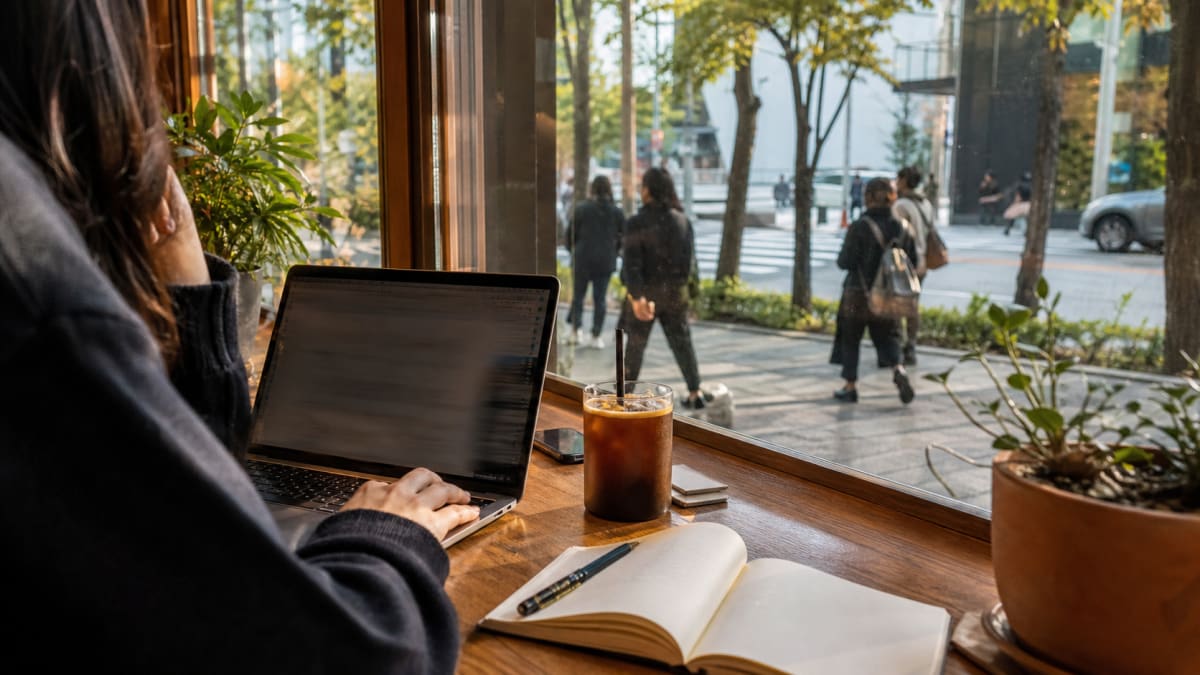
Seoul has more 카페 (cafes) per capita than any other major city in the world — with estimates ranging from 17,000 to 20,000 cafes across the city. For context: that's significantly more than Paris, Melbourne, or Vienna, all of which claim cafe culture as part of their civic identity. What explains the density isn't simply that Koreans drink a lot of coffee — though they do. It's that the cafe functions as a 제3의 공간 (third space) in Korean daily life in a way that has no equivalent elsewhere.
카페가 이렇게 많은 이유 (Why So Many Cafes)
Cafe density in Korea comes from a specific set of cultural and practical factors:
공부하는 공간 (Study space): Students use cafes as libraries that serve drinks. The 공부 카페 (study cafe) — a cafe explicitly designed for quiet, focused work — is its own recognized category, with 칸막이 (partitioned desks) and minimal noise. But even standard cafes function as study spaces in practice.
미팅 장소 (Meeting space): Korean business and social culture uses cafes for 회의 (meetings), 면접 (job interviews), 소개팅 (blind dates), and friend gatherings. The cafe is neutral, accessible, and doesn't require either person to host.
혼자만의 시간 (Alone time): 혼카 (honka) — short for 혼자 카페 (solo cafe), visiting a cafe alone — is a normalized practice. The cafe provides a socially acceptable space to be alone in public, with coffee as the excuse for occupying a seat.
충전 문화 (Charging culture): Korean cafes reliably provide 콘센트 (power outlets) at most seats — enabling the hours-long cafe stays that are standard behavior.
커피 가격 스펙트럼 (The Coffee Price Spectrum)
The Korean cafe market is sharply polarized by price:
카테고리 (Category) | 대표 브랜드 (Example) | 아메리카노 가격 (Americano price) |
|---|---|---|
초저가 (Ultra-budget) | 메가커피 (Mega Coffee), 컴포즈커피 (Compose) | ₩1,500–2,000 |
중저가 (Budget-mid) | 이디야 (Ediya), 투썸플레이스 (A Twosome Place) | ₩3,000–4,500 |
글로벌 체인 (Global chain) | 스타벅스 (Starbucks) | ₩5,500–6,500 |
스페셜티 (Specialty) | 블루보틀 (Blue Bottle), 프릳츠 (Fritz) | ₩7,000–12,000 |
메가커피 (Mega Coffee) and 컴포즈커피 (Compose) — ultra-budget franchises at ₩1,500–2,000 per cup — have opened thousands of locations nationwide over the past five years, effectively democratizing the cafe. The result: drinking two or three coffees a day no longer means spending money at a premium cafe.
At the same time, the specialty coffee scene — 핸드드립 (hand drip), single origin, aeropress — is considered world-class in certain Seoul neighborhoods.
카페 거리와 지역 (Cafe Districts)
Seoul's cafe culture varies significantly by neighborhood:
익선동 (Ikseon-dong): Cafes built inside converted 한옥 (hanok) alleyways from the Joseon period — traditional architecture housing modern drinks. Particularly popular with international visitors for its photogenic atmosphere.
성수동 (Seongsu-dong): Industrial cafes in converted factory buildings — high ceilings, raw textures, specialty coffee. The center of Seoul's pop-up cafe culture.
연남동 (Yeonnam-dong): Independent cafes in residential alleyways near Hongdae — small, distinctive, and crowded on weekends.
삼청동 (Samcheong-dong): Near 북촌 한옥마을 (Bukchon Hanok Village) — cafes along the tourist route connecting 경복궁 (Gyeongbokgung Palace); often mixed with galleries.
강남 (Gangnam): High density of franchise cafes alongside premium specialty options; strong demand for business meetings.
컨셉 카페 (Concept Cafes)
One of the most distinctive aspects of Korean cafe culture is the 컨셉 카페 (concept cafe) — spaces built around a specific theme rather than simply selling coffee:
동물 카페 (Animal cafe): Cafes where you share the space with cats, dogs, rabbits, meerkats, or sheep
보드게임 카페 (Board game cafe): Games and drinks together in one space
한옥 카페 (Hanok cafe): Cafes inside traditional Korean architecture
플라워 카페 (Flower cafe): Spaces filled with fresh flowers
K-팝 카페 (K-Pop cafe): Cafes themed around specific idol groups — often fan-operated pop-ups running during an idol's birthday period
K-Pop idol birthday cafes — where fans rent a cafe space around their idol's birthday to display merchandise, photocards, and cakes — are entirely fan-driven, but have become routine enough to appear regularly in cafe booking systems in 홍대 (Hongdae) and 성수동 (Seongsu-dong).
빙수 문화 (Bingsu Culture)
The signature summer cafe item is 빙수 (bingsu) — finely shaved ice topped with various ingredients. 팥빙수 (patbingsu), with sweet red beans, is the traditional form, but 망고 (mango), 딸기 (strawberry), 말차 (matcha), and 치즈 (cheese) variations have all become standard summer menu items.
Tip — 카페 에티켓 (Cafe Etiquette): Long stays at Korean cafes are normal, but occupying a four-person table alone during peak hours is considered lacking in 눈치 (noonchi — reading the room). Ordering an extra drink or checking with the counter is the natural move. The 아이스 아메리카노 (iced Americano) is the most-ordered drink in Korean cafes — year-round, regardless of season.
Key Facts
카페 수 (Number of cafes) | Estimated 17,000–20,000 in Seoul — highest density per capita of any major city in the world |
카페의 역할 (Cafe's role) | More than coffee — study space, meeting room, 소개팅 (blind date) venue, solo retreat, and remote work hub |
아이스 아메리카노 (Iced Americano) | The default coffee order in Korea — most-ordered cafe drink, regardless of season |
메가커피 (Mega Coffee) | Leading ultra-budget franchise — Americano at ₩1,500–2,000; thousands of locations nationwide |
스페셜티 커피 (Specialty coffee) | Neighborhoods like 성수동 (Seongsu-dong) and 연남동 (Yeonnam-dong) are considered world-class specialty coffee destinations |
컨셉 카페 (Concept cafe) | Animal, board game, hanok, and K-Pop idol birthday cafes — experience spaces beyond standard drink service |
빙수 (Bingsu) | The signature summer cafe dessert — finely shaved ice with toppings; 팥빙수 (patbingsu) with sweet red beans is the traditional form |
K-팝 카페 (K-Pop cafe) | Fan-operated pop-up cafes during idol birthday periods — a normalized part of fandom culture in 홍대 (Hongdae) and 성수동 (Seongsu-dong) |
Comments
Inappropriate comments may be deleted.
Log in to leave a comment.
No comments yet. Be the first!