
Genre Guide: Sageuk (사극) - Historical Films
War, dynasty, and resistance — how Korean cinema uses history to understand the present.
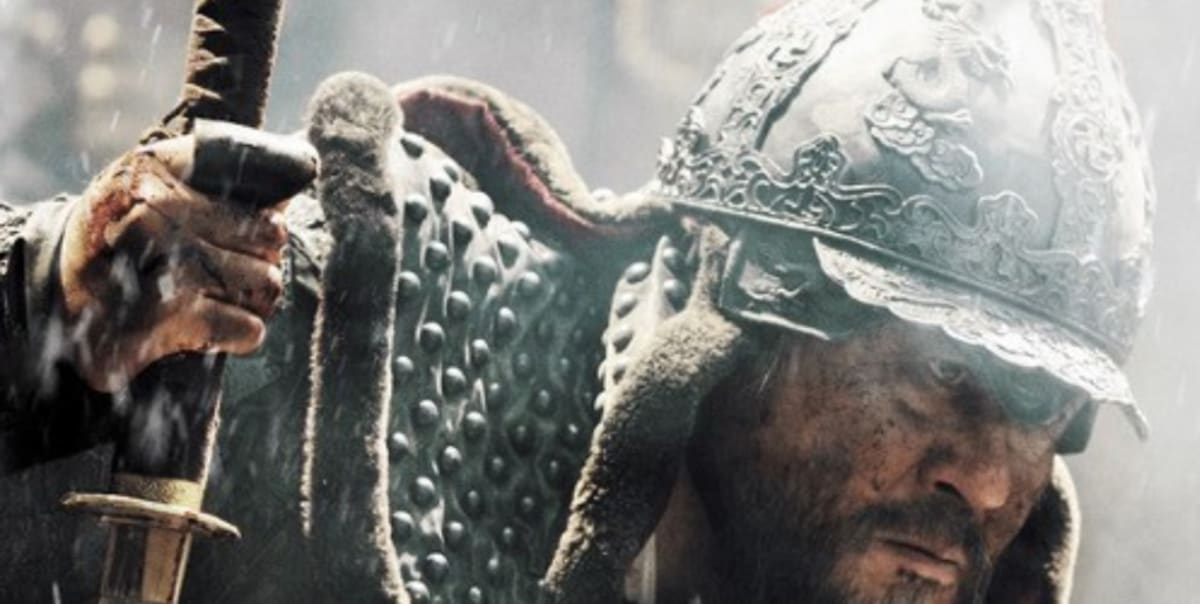
History is not past in Korean cinema. The 일제강점기 (Japanese colonial period), the 한국전쟁 (Korean War), the 군사독재 (military dictatorship), the 민주화 운동 (democracy movement) — these are living wounds, not settled accounts, and Korean filmmakers return to them repeatedly because the present can only be understood through them. A Korean historical film is rarely just about the period it depicts. It's about what that period is still doing to the people watching it.
What Is Sageuk?
사극 (sageuk) literally means "historical drama" — the genre encompasses both film and television productions set in Korea's pre-modern past (most commonly the 조선 / Joseon period, 1392–1897) or in the colonial and post-war modern periods.
사극 films divide roughly into two types:
Period/dynasty 사극 — set in the 조선 court or earlier kingdoms. Often involves political intrigue, court drama, battles, or the examination of historical figures. Costumes, language, and social structures are period-accurate.
Modern historical films — set in the 일제강점기 (1910–1945), the 한국전쟁 (1950–1953), or the 군사독재 시기 (military dictatorship, 1961–1987). These films engage directly with political history and are often the most commercially and emotionally powerful Korean historical works.
Essential Period Sageuk Films
명량 (The Admiral: Roaring Currents, 2014)
Director: 김한민 (Kim Han-min)
The highest-grossing Korean film of its era — 17.6 million admissions. 이순신 (Yi Sun-sin) 장군 (Admiral) leads twelve ships against 133 Japanese vessels during the 임진왜란 (Japanese invasion of 1592). Based on actual events that remain sources of profound national pride.
명량 succeeds because it takes its battle sequences seriously — the naval tactics, the stakes, the scale — while centering them on a human being who is afraid and exhausted and rises anyway.
왕의 남자 (The King and the Clown, 2005)
Director: 이준익 (Lee Joon-ik)
Two street performers are brought to the 조선 court to perform satirical plays for 연산군 (King Yeonsan-gun) — a notoriously erratic ruler — and the relationship between the performers, the king, and the question of whether art can speak truth to power becomes increasingly dangerous.
왕의 남자 became one of the highest-grossing Korean films of its year on the strength of its craft and its emotional complexity. Discussed in its own article.
왕과 사는 남자 (The Man Living with the King, 2026)
Director: 장항준 (Jang Hang-jun)
유해진 (Yoo Hae-jin) plays 엄흥도 (Eom Heung-do), a village headman in 영월 (Yeongwol) who shelters the exiled 단종 (King Danjong) following the 계유정난 (coup of 1453). A 2026 release that surpassed 명량 as the highest-grossing Korean film by total revenue. Discussed in its own article.
광해, 왕이 된 남자 (Masquerade, 2012)
Director: 추창민 (Choo Chang-min)
The king's double — a jester brought in to stand in while the king recovers from poison — gradually begins to inhabit the role seriously. A political fantasy about what legitimate power is and where it comes from.
이병헌 (Lee Byung-hun)'s dual role performance is considered one of his career bests.
Essential Modern Historical Films
택시운전사 (A Taxi Driver, 2017)
Director: 장훈 (Jang Hoon)
A 서울 taxi driver agrees to take a German journalist to 광주 (Gwangju) for the money — and finds himself in the middle of the 5·18 광주민주화운동 (May 18th Gwangju Uprising, 1980), where the military was actively massacring civilians who were protesting the 군사독재 (military dictatorship).
택시운전사 is one of the most important Korean historical films for international viewers specifically: the 광주항쟁 is not well-known outside Korea, and the film provides access to events that shaped contemporary Korean democracy. Based on the real 위르겐 힌츠페터 (Jürgen Hinzpeter). 11 million domestic admissions. Discussed in its own article.
1987 (1987: When the Day Comes, 2017)
Director: 장준환 (Jang Joon-hwan)
Based on the 1987 democracy protests that followed the torture-death of student activist 박종철 (Park Jong-chul) — the events that directly precipitated the end of military dictatorship in Korea. An ensemble piece where the accumulation of individual moral choices produces historical change. Essential for understanding how Korean democracy happened.
국제시장 (Ode to My Father, 2014)
Director: 윤제균 (Yoon Je-kyoon)
The life of one man across Korea's transformative decades — 한국전쟁 (Korean War) evacuation, labor migration to 서독 (West Germany) as a miner, the 베트남 전쟁 (Vietnam War) — told as family epic. 14 million domestic admissions.
변호인 (The Attorney, 2013)
Director: 양우석 (Yang Woo-seok)
Based on the early career of former President 노무현 (Roh Moo-hyun) — when he was a 부산 (Busan) tax attorney who took on the defense of a student accused of communist activities under the 국가보안법 (National Security Law). 11 million domestic admissions.
Tip — 광주항쟁 in Korean cinema: The 5·18 광주민주화운동 appears in multiple Korean films, each approaching it from a different angle. 택시운전사 provides the most accessible international entry point. 이창동 (Lee Chang-dong)'s 박하사탕 (Peppermint Candy, 2000) uses a man's life running backward to arrive at 광주 as the wound at the center of everything. Both are essential. They are very different viewing experiences.
The Colonial Period
The 일제강점기 (1910–1945) appears regularly in Korean historical film:
아가씨 (The Handmaiden, 2016) — 박찬욱 (Park Chan-wook)'s adaptation transposed to colonial-era Korea; a psychological thriller about class, gender, and power
암살 (Assassination, 2015) — a popular action film about resistance fighters and assassins in colonial-era Korea; one of the highest-grossing Korean films of its year
Where to Start
If you want | Start with |
|---|---|
조선 dynastic epic | 명량 |
Court drama and complexity | 왕의 남자 or 광해 |
Understanding Korean democracy | 1987 |
The 광주항쟁 | 택시운전사 |
Korean War era family epic | 국제시장 |
Colonial period + thriller | 아가씨 |
Next up: Korean Social Drama: Class, History & the Human Condition →
Comments
Inappropriate comments may be deleted.
Log in to leave a comment.
No comments yet. Be the first!